pediagenosis: Respiratory
Article Update
Loading...
Showing posts with label Respiratory. Show all posts

Sunday, April 20, 2025

LYMPHATIC DRAINAGE OF THE LUNGS AND PLEURA

LYMPHATIC DRAINAGE OF THE LUNGS AND PLEURA


LYMPHATIC DRAINAGE OF THE LUNGS AND PLEURA

LYMPHATIC DRAINAGE OF THE LUNGS AND PLEURA

The lymphatic drainage of the lung plays critical roles in the removal of excess interstitial fluid and particulate matter (free or within macrophages) deposited in the airspaces and in lymphocyte trafficking and immune surveillance. Discrepancies exist between the terminology of the Nomina Anatomica adopted by anatomists for lung lymphatic routes and the terms commonly and conveniently used by clinicians, surgeons, and radiologists. For this reason, in the illustrations, the terms in common usage are included in parentheses after the official Nomina Anatomica designations.
MORBIDITY OF ENDOTRACHEAL INTUBATION AND TRACHEOSTOMY

MORBIDITY OF ENDOTRACHEAL INTUBATION AND TRACHEOSTOMY

MORBIDITY OF ENDOTRACHEAL INTUBATION AND TRACHEOSTOMY

MORBIDITY OF ENDOTRACHEAL INTUBATION AND TRACHEOSTOMY

Nasotracheal tubes may be more easily inserted, less easily dislodged, and sometimes better tolerated than orotracheal tubes. However, they can cause nasal necrosis and maxillary sinusitis. “Blind insertion” may result in vocal cord trauma, which can be minimized by visualization, as with oral intubation. Nasotracheal tubes have small lumina, making suctioning and weaning from mechanical ventilation difficult. Orotracheal tubes are larger and more readily permit suctioning or bronchoscopy than nasotracheal tubes. However, they are less comfortable, more easily dislodged, and can be kinked or damaged by the patient’s teeth.

Sunday, March 5, 2023

Pleural Diseases

Pleural Diseases


Pleural Diseases.

Pleural Diseases, Pneumothorax, Chylothorax, Empyema, Pleurisy, Transudative effusions, Exudative effusions, Pneumonia, Tuberculosis pleurisy, Mesothelioma

The pleurae
The potential space between the parietal and visceral pleurae serves as a coupling system between the lung and the chest wall, and normally contains a small amount of fluid A negative pleural pressure is maintained by the dynamic tension between the chest wall and the lung (Chapter 3). Both pleurae have a systemic blood supply and lymphatics, although lymphatic drainage of the pleural space is predominantly via the parietal pleura. Fluid flux through the pleural space is determined by Starling's relationship between microvascular pressures, oncotic pressures, permeability and surface area. Normally, there is net filtration of transudative (protein-poor) fluid into the pleural space that is balanced by resorption via the parietal lymphatics.
Lung Mechanics: Airway Resistance

Lung Mechanics: Airway Resistance


Lung Mechanics: Airway Resistance.

Lung Mechanics: Airway Resistance, Factors Affecting Airway Resistance, RAW in disease

Airflow is driven by the mouth-alveolar pressure gradient generated by the respiratory muscles (Chapters 2 and 3).
In laminar flow, gas particles move parallel to the walls, with centre layers moving faster than outer ones, creating a cone-shaped front (Fig. 7a). The factors affecting laminar flow of a flui of viscosity, η, in smooth straight tubes of length, l, and radius, r, are described in Poiseuille’s equation:
Lung Mechanics: Elastic Forces

Lung Mechanics: Elastic Forces


Lung Mechanics: Elastic Forces.

Lung Mechanics: Elastic Forces, Assessing the stiffness of the lungs: lung compliance, Dynamic pressure–volume loops and dynamic compliance, Surfactant

To breathe in, the inspiratory muscles must contract to overcome the impedance offered by the lungs and chest wall. This is mainly in the form of frictional airway resistance (Chapter 7) and elastic resistance to stretching of the lung and chest wall tissues and the flui lining the alveoli.
LUNG MECHANICS

LUNG MECHANICS


LUNG MECHANICS.

LUNG MECHANICS


The respiratory muscles have to overcome resisting forces during breathing. These are primarily the elastic resistance in the chest wall and lungs, and the resistance to air flow (airway resistance).
Lung Compliance
The static compliance (‘stretchiness’) of the lungs (CL) is defined as the change in volume per unit  change  in  distending  pressure (CL = ΔV/ΔP) when there is no air flow. The distending pressure is the transmural (alveolar–intrapleural) pressure (Chapter 25). The intrapleural pressure can be measured with an oesophageal balloon (Fig. 26a). The alveolar pressure is the same as the mouth pressure (i.e. zero) if no air is flowing. The subject breathes in steps and the intra-pleural pressure is measured at each held volume. A typical static pressure–volume plot is shown in Fig. 26b. The inspiratory and expiratory curves are slightly different (hysteresis), typical for elastic systems. The static lung compliance is the maximum slope, generally just above the functional residual capacity (FRC), and is normally 1.5 L/kPa, although this is dependent on age, size and sex. The static compliance is reduced by lung fibrosis (stiffer lungs).

Wednesday, March 1, 2023

Control Of Breathing

Control Of Breathing


Control Of Breathing.

Control Of Breathing


Ventilation of the lungs provides O2  for the tissues and removes CO2. Breathing must therefore be closely matched to metabolism for adequate O2 delivery and to prevent a build-up of CO2. A central pattern generator located in the brain stem sets the basic rhythm and pattern of ventilation and controls the respiratory muscles. It is modulated by higher centres and feedback from sensors, including chemoreceptors, and lung mechanoreceptors (Fig. 29a). The neural networks are complex, as breathing must be coordinated with coughing, swallowing and speech, and are not fully understood.

Sunday, February 19, 2023

Carriage Of Oxygen And Carbon Dioxide By The Blood

Carriage Of Oxygen And Carbon Dioxide By The Blood


Carriage Of Oxygen And Carbon Dioxide By The Blood.

Carriage Of Oxygen And Carbon Dioxide By The Blood

Oxygen
The  resting  O2   consumption  in  adults  is  250 mL/min,  rising  to >4000 mL/min during heavy exercise. The O2 solubility in plasma is, however, low and at a Po2  of 13 kPa blood contains only 3 mL/L of dissolved O2  in solution. Most O2  is therefore carried bound to haemoglobin in red blood cells. Each gram of haemoglobin can combine with 1.34 mL of O2 and so, for a haemoglobin concentration [Hb] of 150 g/L, blood can contain a maximum of 200 mL/L of O2 (O2 capacity). The actual amount of O2 bound to haemoglobin (O2 content) depends on the Po2, and the percentage O2 saturation = content/ capacity × 100 (Fig. 28a). Each haemoglobin molecule binds up to four O2 molecules; binding is cooperative, so that the binding of each O2  molecule makes it easier for the next. This steepens the O2  hae moglobin  dissociation  curve,  which  describes  the  relationship between blood O2 content and Po2 (Fig. 28a). The curve flattens above 8 kPa Po2  as all binding sites become occupied. Thus, for a normal arterial Po2 (13 kPa) and [Hb], the blood is 97% saturated and contains slightly less than 200 mL/L of O2. Because the dissociation curve is flat in this region, any increase in Po2 (breathing O2-enriched air) will have little effect on content. On the steep part of the curve, however (<8 kPa Po2), small changes in Po2 will have large effects on content.

Monday, February 13, 2023

Pulmonary Circulation And Anatomical Right-To-Left Shunts

Pulmonary Circulation And Anatomical Right-To-Left Shunts


Pulmonary Circulation And Anatomical Right-To-Left Shunts.

Pulmonary Circulation And Anatomical Right-To-Left Shunts

Pulmonary circulation compared with the systemic circulation (Fig. 13a)
The pulmonary circulation is in series with the systemic circulation, and pulmonary blood flow nearly equals aortic blood flow. Pulmonary vascular resistance is only about one-sixth of systemic resistance, and the thin-walled right ventricle needs only to generate a mean pulmonary artery pressure of about 15 mmHg to drive the cardiac output through the lungs. Systemic pressures are higher (Fig. 13a), dropping steeply across the main resistance vessel, the arteriole, to give a capillary flow which is usually non-pulsatile. Pulmonary vascular resistance is more evenly distributed in the microcirculation and pulmonary capillary flow remains pulsatile.

Saturday, February 11, 2023

Introduction To The Respiratory System

Introduction To The Respiratory System


Introduction To The Respiratory System.

Introduction To The Respiratory System


The upper respiratory tract includes the nose, pharynx and larynx; the lower respiratory tract starts at the trachea (Fig. 25a). The two lungs are enclosed within the thoracic cage, formed from the ribs, sternum and vertebral column, with the dome-shaped diaphragm separating the thorax from the abdomen. The left lung has two lobes, the right three. The airways, blood vessels and lymphatics enter each lung at the lung root or hilum, where the pulmonary nerve plexus receives autonomic nerves from the vagus and sympathetic trunk. The vagus contains sensory afferents from lung receptors (Chapter 29) and bronchoconstrictor parasympathetic efferents leading to the airways; sympathetic nerves are bronchodilatory (Chapter 7). Each lung lobe is made up of several wedge-shaped bronchopulmonary segments supplied by their own segmental bronchus, artery and vein. The lungs are covered by a thin membrane (visceral pleura), continuous with the parietal pleura that lines the inside surface of the thoracic cage. The tiny space between the pleura is filled with lubricating pleural fluid.

Tuesday, January 31, 2023

BRONCHIAL ARTERIES

BRONCHIAL ARTERIES


BRONCHIAL ARTERIES

BRONCHIAL ARTERIES

The lungs receive blood from two sets of arteries. The pulmonary arteries follow the bronchi and ramify into capillary networks that surround the alveoli, allowing exchange of oxygen and carbon dioxide. The bronchial arteries derive from the aorta. They supply oxygenated blood to the tissues of the lung that are not in close proximity to inspired air, such as the muscular walls of the larger pulmonary vessels and airways (to the level of the respiratory bronchioles) and the visceral pleurae. The origin of the right bronchial artery is quite variable. It arises frequently from the third right posterior intercostal artery (the first right aortic intercostal artery) and descends to reach the posterior aspects of the right main bronchus. It may arise from a common stem with the left inferior bronchial artery, which origi- nates from the descending aorta slightly inferior to the point where the left main bronchus crosses it. Or it may arise from the inferior aspect of the arch of the aorta and course behind the trachea to reach the posterior wall of the right main bronchus.
MEDIASTINUM

MEDIASTINUM


MEDIASTINUM

MEDIASTINUM

The mediastinum is that portion of the thorax that lies between the right and left pleural sacs and is bounded ventrally by the sternum and dorsally by the bodies of the thoracic vertebrae. The superior boundary of the mediastinum is defined by the thoracic inlet, and its inferior boundary is formed by the diaphragm. By convention, the mediastinum is divided into superior and inferior parts by a plane extending horizontally from the base of the fourth vertebral body to the angle of the sternum. The superior mediastinum contains the aortic arch; the brachiocephalic (innominate) artery; the beginnings of the left common carotid and left subclavian arteries; the right pulmonary artery trunk; the right and left brachiocephalic (innominate) veins as they come together to form the superior vena cava; the trachea with right and left vagus, cardiac, phrenic, and left recurrent laryngeal nerves; the esophagus and the thoracic duct; most of the thymus; the superficial part of the cardiac plexus; and a few lymph nodes.
Topography Of The Lungs (Posterior View)

Topography Of The Lungs (Posterior View)


Topography Of The Lungs (Posterior View)

Topography Of The Lungs (Posterior View)


The apex of the lung extends as far superiorly as the vertebral end of the first rib and therefore as high as the first thoracic vertebra. From there, the lung extends inferiorly as far as the diaphragm, with the base of the lung resting on the diaphragm and fitted to its superior surface. Because of the diaphragm’s domed shape, the level of the highest point on the base of the right lung is about at the eighth to ninth thoracic vertebrae. The highest point on the base of the left lung is a fraction of an inch lower. From these high points, the bases of the two lungs follow the curves of the diaphragm to reach the levels described earlier for the inferior borders of the lungs.

Thursday, November 10, 2022

PULMONARY METASTASES

PULMONARY METASTASES

PULMONARY METASTASES

PULMONARY METASTASES

Lung metastasis occurs in one-third to one-half of all patients with a non-lung primary malignancy at the time of death based on autopsy data. Primary malignancies with the greatest tendency to metastasize to the lung are breast, lung, melanoma, osteosarcoma, choriocarcinoma, and germ cell tumors. Most pulmonary metastases are caused by common malignancies that include breast, colorectal, prostate, and renal cell carcinomas. Recent studies have demonstrated a high number of circulatory tumor cells in many different primary cancers. These are believed to lodge in the small pulmonary vessels, proliferate, and ultimately form nodules. Multiple pulmonary nodules are the most common manifestations of pulmonary metastasis. They are frequently spherical and variable in size. Multiple nodules larger than 1 cm in diameter are more likely to be malignant than benign. Larger lesions or “cannonballs” are a classic manifestation. Approximately 90% of individuals with pulmonary metastasis have or had a known primary malignancy. Solitary pulmonary metastasis may occur and in general should be treated as a possible new primary lung cancer if no other metastatic sites are identified and benign disease cannot be confirmed. Surgical resection is the treatment of choice in medically fit individuals.

Cavitation of metastatic nodules occurs in 5% or fewer of cases and is most commonly associated with squamous cell carcinoma of the head and neck, esophagus, and cervix. Sarcomas, especially osteosarcoma, are well known to cavitate. Cavitation has also been observed with adenocarcinoma of colorectal origin and transitional cell carcinoma of the bladder. Pneumothorax occurs with cavitary pulmonary metastasis in the subpleural location because of rupture into the pleural space. Osteosarcoma is the most common metastatic malignancy to cause a spontaneous pneumothorax. A spontaneous pneumothorax in a patient with a history of a sarcoma should raise the question of occult pulmonary metastasis. Calcification of nodules, although generally a sign of benignity, has been observed in metastatic chondrosarcoma and osteosarcoma and very rarely from other primary sites.

Airspace consolidation is most often seen with metastatic adenocarcinoma for gastrointestinal sources. The adenocarcinoma may spread along intact alveolar structures (lepidic growth) and form consolidation with air bronchograms or extensive ground-glass opacities. Sometimes this pattern is confused with primary bronchioloalveolar cell lung cancer.

Lymphangitic pulmonary metastasis is most commonly associated with adenocarcinoma. It is believed to be caused by hematogenous spread of tumor to the periphery of the lung and subsequent lymphangitic spread centrally toward the hilum. By this mechanism, it is most commonly bilateral. Some cases may develop because of hilar tumor involvement with centrifugal spread and account for cases of unilateral lymphangitic spread. The primary malignancies that account for most lymphangitic metastases are the lung, breast, and gastrointestinal tract, especially the stomach. The chest radiograph may reveal increased interstitial markings or demonstrate a sunburst pattern radiating from the hilar area. High-resolution computed tomography is more sensitive at detecting lymphangitic disease than chest radiography. Characteristic findings are a thickened interlobular septum with beading with or without polygonal formations. A thickened subpleural interstitium is also a frequent occurrence.

Patients will usually present with dyspnea with or without cough. The chest radiograph may be normal. Bronchoscopy with bronchoalveolar lavage and transbronchoscopic biopsy will result in a high diagnostic yield. The prognosis of lymphangitic carcinoma is generally poor unless the patient has a chemoresponsive tumor such as breast cancer, lymphoma, or choriocarcinoma.


Friday, January 7, 2022

MECHANICAL VENTILATION

MECHANICAL VENTILATION

MECHANICAL VENTILATION

MECHANICAL VENTILATION


INDICATIONS AND GOALS OF THERAPY

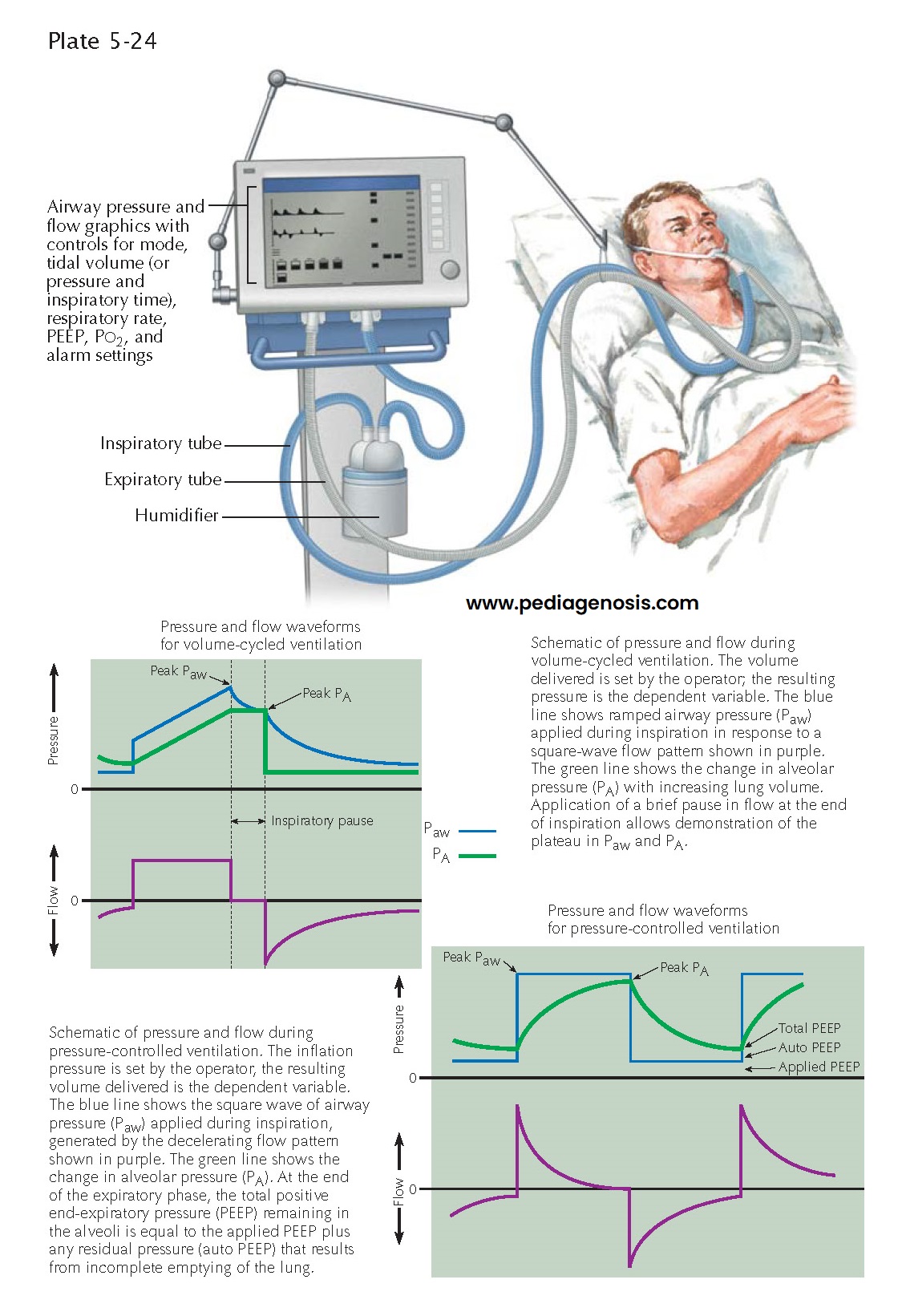
Mechanical ventilation is used when patients cannot maintain adequate gas exchange because of neuromuscular impairment, cardiovascular failure, diffuse lung disease, or disordered respiratory drive. The goals of mechanical ventilation are to improve arterial oxygenation, decrease energy consumption, and facilitate carbon dioxide (CO2) elimination so as to preserve adequate acid-base balance. Mechanical ventilation is continued until the condition responsible for respiratory failure improves and the patient can successfully resume adequate spontaneous respiration.

TRACHEAL RESECTION AND ANASTOMOSIS

TRACHEAL RESECTION AND ANASTOMOSIS

TRACHEAL RESECTION AND ANASTOMOSIS

TRACHEAL RESECTION AND ANASTOMOSIS


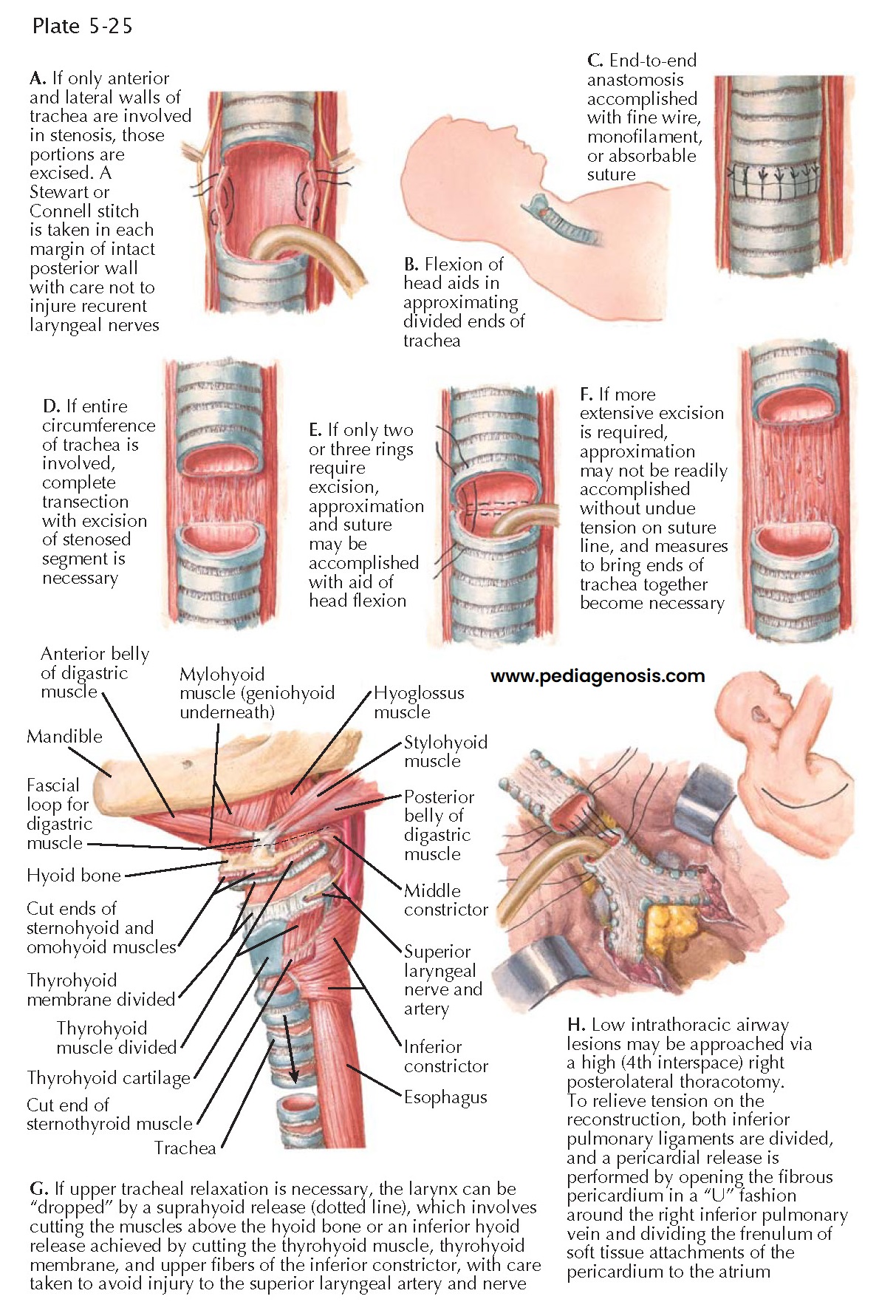
Tracheal stenosis can be idiopathic but is most commonly the result of prior intubation or tracheostomy. Common areas of stenosis were previously located in the mid-trachea related to high-pressure, low-volume endotracheal tube cuffs; however, contemporary endotracheal appliances have low-pressure cuffs. Today stenotic lesions are typically found in the proximal or subglottic trachea at the site of a prior stoma. Mid- to distal tracheal resections are more likely performed as therapy for benign or malignant airway tumors. In most cases of symptom-producing stenosis of the trachea, conservative therapy, consisting of repeated dilatations, is either contraindicated or has proven to be ineffective. Consequently, surgical correction is necessary. The procedure of choice is resection of the stenotic tracheal segment with primary reconstruction via an end-to-end anastomosis (see illustration).

ENDOTRACHEAL SUCTION

ENDOTRACHEAL SUCTION

ENDOTRACHEAL SUCTION

ENDOTRACHEAL SUCTION


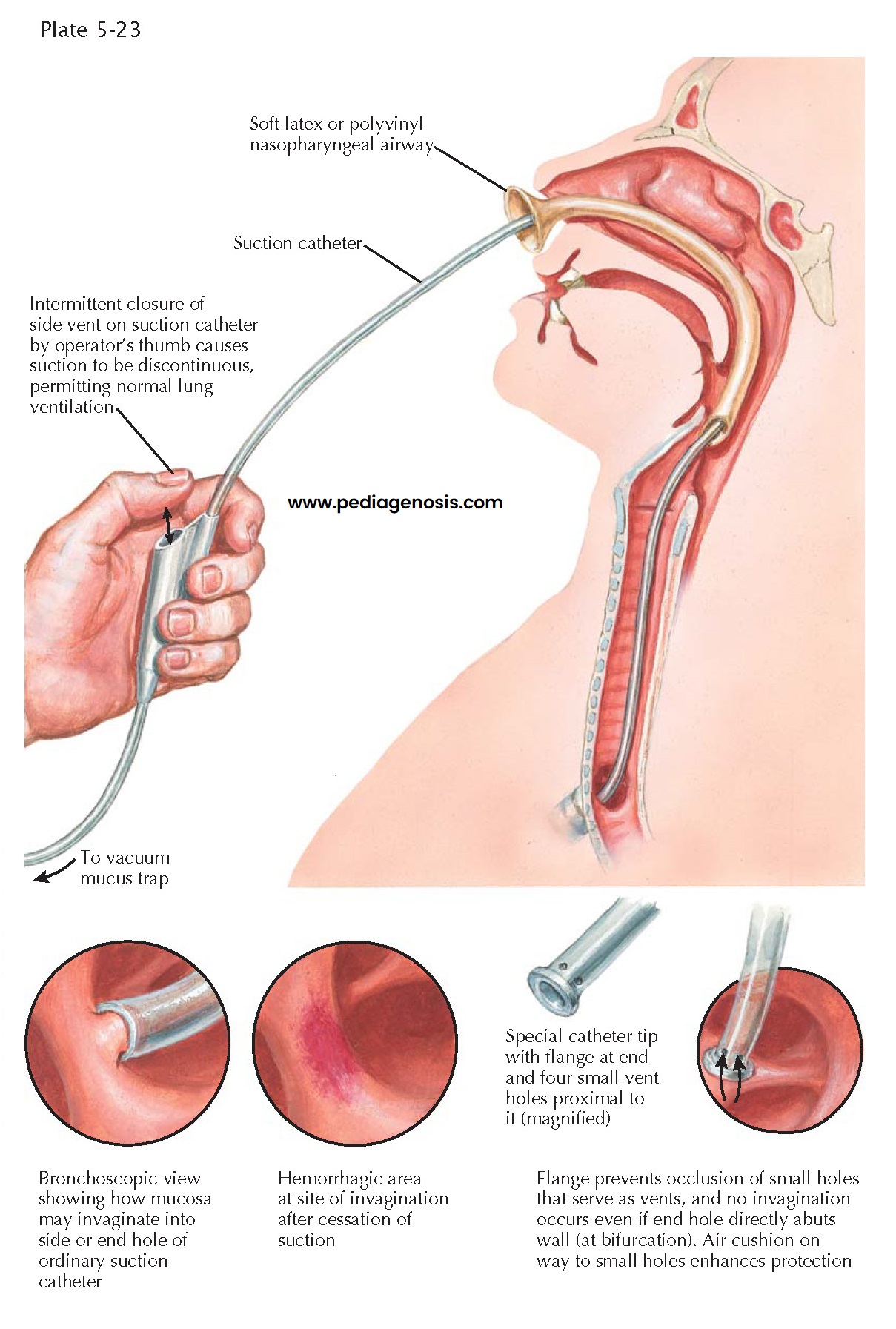
Nasotracheal suction aids in the removal of retained bronchopulmonary secretions in patients who are unable to expectorate sputum voluntarily. However, chest physiotherapy, including postural drainage, percussion, aided coughing, and vibratory positive expiratory pressure devices, can be quite effective and are more acceptable to alert and oriented patients. The major indication for nasotracheal suction is the semicooperative or obtunded patient who requires tracheobronchial toilet.

TRACHEOSTOMY

TRACHEOSTOMY

TRACHEOSTOMY

TRACHEOSTOMY


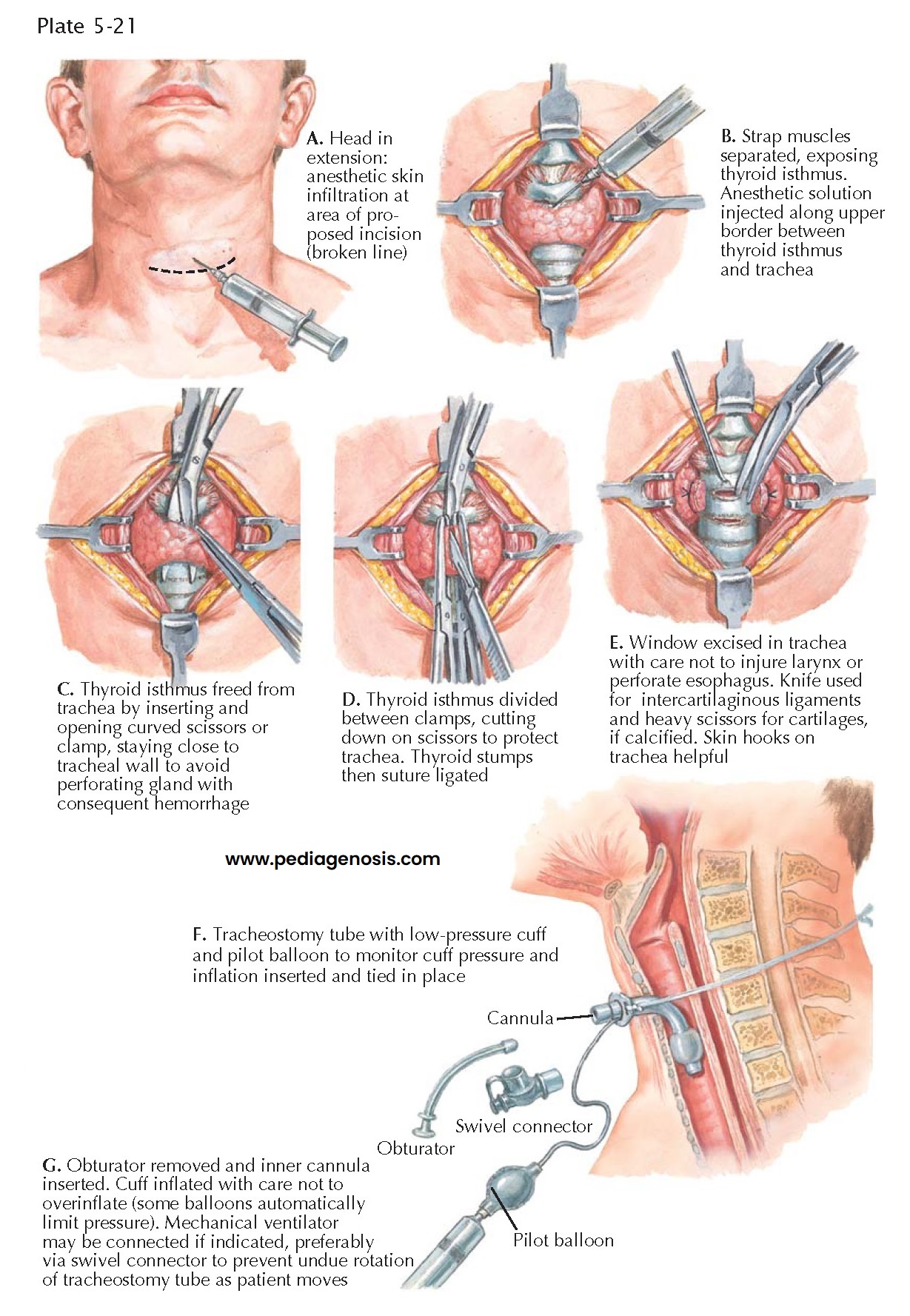
Tracheostomy can be performed via an open surgical technique or via a percutaneous dilational technique. Percutaneous tracheostomy is becoming more popular because it is at least as safe as the surgical approach and is likely associated with fewer complications, primarily bleeding and infection. The choice between the two techniques typically depends on operator preference.

ENDOTRACHEAL INTUBATION

ENDOTRACHEAL INTUBATION

ENDOTRACHEAL INTUBATION

Endotracheal intubation is a lifesaving procedure that requires familiarity with anatomy, physiology, pharmacology, and the necessary equipment required to perform the procedure.

ENDOTRACHEAL INTUBATION


Choice of the correct size of endotracheal tube is fundamental. The average man will accept a cuffed tube with an inner diameter of 8.0 or 8.5 mm. For women, the tube diameter is 0.5 to 1.0 mm smaller. Smaller tubes have more resistance to airflow and may not allow passage of a bronchoscope, but larger tubes may increase injury to the glottis and lower airway.

SECURING AN EMERGENT AIRWAY

SECURING AN EMERGENT AIRWAY

SECURING AN EMERGENT AIRWAY

SECURING AN EMERGENT AIRWAY


Maintenance of a patent airway is a primary supportive and resuscitative maneuver, and every physician should be able to insert an oropharyngeal or nasopharyngeal airway, pass an endotracheal tube, and perform an emergency tracheotomy or cricothyrotomy. There are many causes of acute upper airway obstruction, including decreased pharyngeal muscle tone after loss of consciousness; acute inflammatory or infectious processes such as angioedema, epiglottitis, or Ludwig angina; and obstructing tumors or masses of the pharynx and larynx. Inhalation burns, laryngeal trauma, and foreign body aspiration can also lead to acute airway obstruction. Depending on the specific cause and severity of the airway compromise, different maneuvers and techniques may be implemented to secure an emergent airway.

Anatomy Physiology

[AnatomyPhysiology][recentbylabel2]

Featured

[Featured][recentbylabel2]
Notification
This is just an example, you can fill it later with your own note.
Done